
What Should You Wear for a Passport Photo?
Everyday clothes are the rule — uniforms, camouflage, hats, and headphones are not allowed. The official clothing restrictions, religious attire exception, plus practical advice on colors, makeup, and hair.
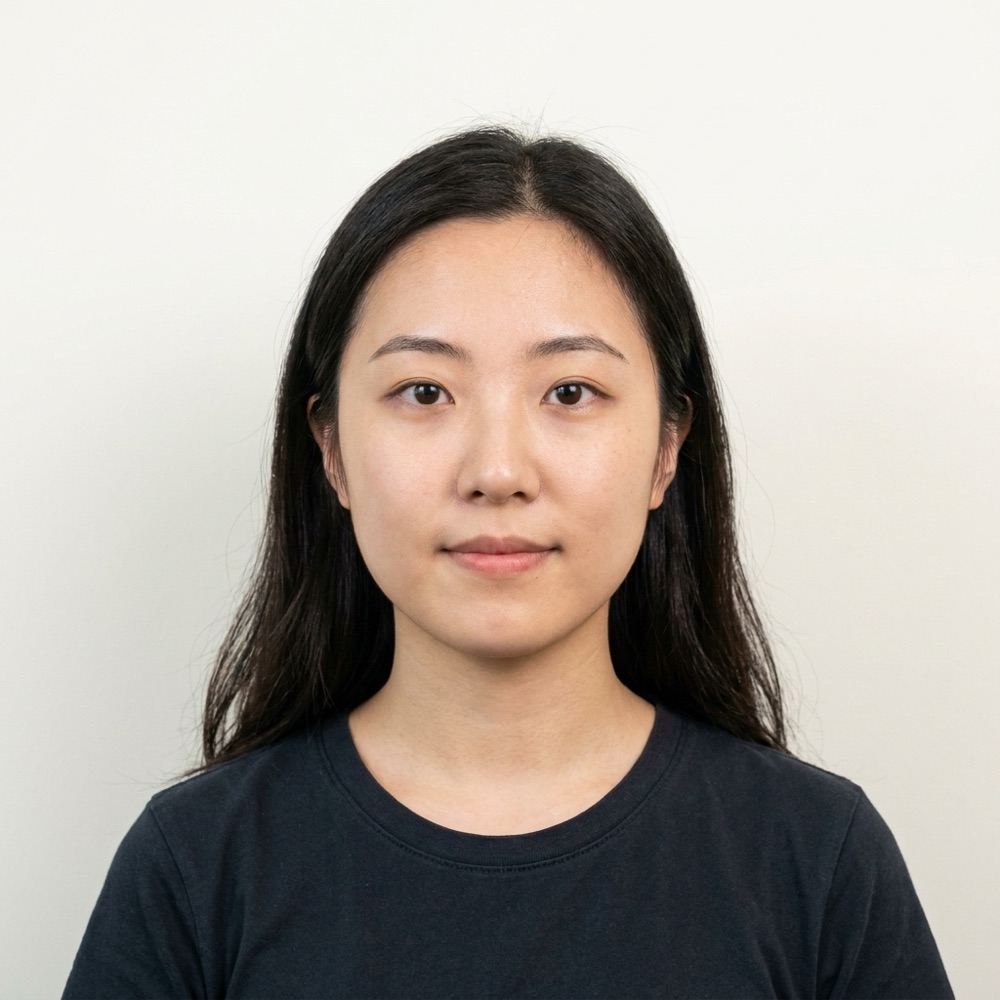
What are the actual clothing rules?
The binding restrictions are shorter than most people expect. From the State Department: you cannot wear a uniform, clothing that looks like a uniform, or camouflage; you cannot wear a hat or head covering (outside the documented religious/medical exceptions); you cannot wear headphones or wireless hands-free devices in or on your ears; and glasses come off. Jewelry and facial piercings are explicitly permitted so long as they don't hide your face. Everything else — color, style, formality — is your call, with the official expectation being your normal daily attire. The photo should look like you on an ordinary day, because that is who shows up at the border it will be compared against.
| Item | Allowed? |
|---|---|
| Everyday shirt, blouse, sweater | Yes — the intended default |
| Uniform or uniform-like clothing | No |
| Camouflage | No |
| Hat / cap / beanie | No (religious/medical exception with documentation) |
| Religious head covering worn daily | Yes, with signed statement; full face visible |
| Headphones, earbuds, hands-free devices | No |
| Glasses | No (signed medical statement for exceptions) |
| Jewelry, facial piercings | Yes, if they don't hide the face |
| Scarf around the neck (not head) | Yes, if the face and chin stay clear |
Why are uniforms and camouflage banned?
A passport is a civilian identity document, and the photo rules keep it visually neutral: a uniform implies an official status, affiliation, or authority that the document does not certify, and could complicate how the holder is treated at foreign borders. "Clothing that looks like a uniform" extends the ban to anything a border officer might reasonably read as military, police, or official dress — think epaulets, insignia, tactical styling — even if it's fashion. Camouflage gets named separately both for its military association and because several countries outlaw civilian camouflage outright, which could make the passport photo itself a provocation at certain borders. Scrubs, work polos with small logos, and clerical attire occupy a gray zone; the zero-thought solution is a plain civilian top, which can never be misread.
How does the religious and medical exception work?
If you wear a head covering every day for religious reasons — hijab, turban, kippah worn constantly, habit — you may wear it in the photo, accompanied by a signed statement attesting that it is part of daily religious attire. Medical head coverings (post-surgical, chemotherapy-related) work the same way with a signed doctor's statement. The composition rules stay fully in force within the exception: your full face must be visible from the bottom of the chin to the top of the forehead, both edges of the face showing, with no covering shadow falling across any of it. Practically, arrange the covering off the hairline and cheeks, and light your face from the front so fabric doesn't shade the forehead. The exception covers coverage, never concealment — anything hiding part of the face fails regardless of documentation.
What photographs well against the white background?
Contrast is the whole trick. The mandatory white or off-white backdrop means a white or cream top visually merges with the wall, leaving a disembodied head — technically acceptable, but it invites framing ambiguity for the automated systems that detect your head outline, and it looks strange for ten years. Mid-tone solids photograph best: navy, forest green, burgundy, charcoal, denim blue. Avoid tops that read as noise rather than clothing — loud patterns, giant graphics, reflective fabrics — and skip high collars or bulky scarves that swallow the chin line, since the crop needs a clean chin-to-crown measurement. Necklines matter more than you'd think: the 2 x 2 crop typically ends near the shoulder line, so a plain crew or modest V-neck frames the face without distraction. Dress the top third of your body; the photo never sees the rest.
What about makeup, hair, and grooming?
The standard is recognizability, not polish. Everyday makeup is fine; what works against you is anything that changes your apparent facial structure — heavy contouring, dramatic editorial looks, costume-adjacent styling — because the photo must match your face at a checkpoint, possibly a decade from now, at 6 a.m., after a red-eye. Hair follows one hard rule: it cannot cover the face. Pull it back or tuck it so both eyebrows and the full outline of the eyes are visible; volume above the head is fine (the head-size measurement runs to the top of the head, not the hairstyle, though enormous styles complicate cropping). Beards, new haircuts, and gray hair are all non-issues — routine appearance changes don't invalidate a passport. And resist the urge to digitally perfect any of it afterward: retouching is exactly what the no-editing rules prohibit.
What's the two-minute outfit checklist before shooting?
- Plain, mid-tone civilian top — no uniform look, no camouflage, no wild patterns, not white-on-white.
- Nothing on the head unless it's documented religious or medical attire, arranged so the entire face is visible.
- Ears clear of tech — earbuds and headsets out (hearing aids are fine).
- Glasses off, a few minutes early so nose-bridge marks fade.
- Hair off the face, both eyes and eyebrows fully visible.
- Modest jewelry only, nothing crowding the chin or eyes.
Then shoot per the home photo guide and let the formatting tool handle the crop geometry. Passport Photo AI checks the frame for coverage problems — hats, hair over eyes, shadows — before you print or upload, but the final read against official requirements is always yours: what you wore is the one variable no crop can fix afterward.
FAQ
What clothing is not allowed in a passport photo?
Per the State Department: no uniforms, no clothing that looks like a uniform, and no camouflage. Hats and head coverings are out too (except documented religious or medical reasons), as are headphones or wireless earpieces.
What should I wear instead?
Normal daily clothing — the guidance's actual phrase of art. A plain top you'd wear on an ordinary day is ideal; mid-tone solid colors photograph best against the required white background.
Can I wear a white shirt?
It's allowed, but unwise: a white top against the required white or off-white background can make you look like a floating head and can confuse automated framing. Choose a color with contrast.
Are religious head coverings allowed?
Yes, with documentation — typically a signed statement that the covering is worn daily for religious reasons. Your full face must remain visible from chin to forehead with no shadows on it.
Is makeup allowed in a passport photo?
Everyday makeup is fine — there's no rule against it. Keep it consistent with how you normally look, since the photo's job is matching you at a border, and avoid heavy contouring that changes apparent face shape.
Can I wear jewelry or keep facial piercings in?
Yes. Official guidance permits jewelry and facial piercings as long as they don't hide your face. Oversized items near the chin or eyes are worth removing just to be safe.
How Passport Photo AI helps
Passport Photo AI turns an everyday photo into a passport-style crop or print sheet. It centers the face, sizes the head to the official 2 x 2 geometry, flags likely compliance problems like shadows or tilt, and exports both a digital square and a 4 x 6 print layout. It does not alter your appearance in the submission workflow, and the final decision always belongs to the passport agency or acceptance facility — verify your photo against the official requirements before you submit it.